About Beekeeping Equipment

For novice beekeepers especially.

The questions keep coming, as is normal this time of year, about how to go about getting beekeeping equipment, what type of hive to get, and what do I think of acquiring used equipment. So in this post I’ll talk about proper equipment and what I think of new equipment vs. used.

New equipment – battle tested

By far the best hive equipment you can get is from an established beekeeping supply company that has been supplying the beekeeping industry for years. The whole crux of beekeeping is being able to pick up and take out honeycomb so we can observe what’s happening in the hive.  In this way, by observation, we can ascertain how to best serve the honeybees, to help then remain happy and healthy. Any equipment that is not made to match exactly how honey bees build, will prove to be useless.

Companies exist that have been making hives for years such as Dadant and Brushy Mountain. These are the two companies I get my Langstroth hive equipment from.  It’s worth the investment.

Last year I picked up some supers handmade by an Amish gentlemen. The workmanship was superb. Although everything looked correct, the dimensions were off by literally a quarter of an inch.  To the honey bees, close is not good enough, and I ended up with a mess. I augmented the design and made the supers work, but it was barely worth it.

Even though I paid nearly nothing for the equipment, once the bees start building outside of the frames you could end up with a beekeeper’s nightmare.

Save yourself the hassle. You can order from the two aforementioned companies, find another reputable company that has been in business for a while, or order directly from me.

Complete-Hive-Langstroth

Langstroth hive components – partial

Top-bar hive


New equipment – not battle tested

If you are thinking of getting equipment, either Langstroth or top-bar hives, from a place that has not been selling and testing the hives for years, then I suggest do not do it.  The honey bees build their comb precisely, and we know what they need to guide them to build in a movable comb hive, like the Langstroth and top-bar.

Homemade beehives that look sort of like a Langstroth hive or a top-bar hive may be way off measurement-wise, and cause you a lot of heartache and extra work in the long run. Other types of hives more popular in Europe and other parts of the world, like the beehaus and WBC hives, may be fun, but also just as difficult to get replacement parts for.

Bad comb

Burr comb, or extra comb that is built not in accordance with the beekeepers plans!

Used equipment, like on Craigslist

Used equipment is always dangerous because of any diseases that may be inherent in the old boxes, frames and comb. If you don’t know the person you’re getting the old equipment from, then you really have no idea why the seller may be getting rid of their equipment, or why their bees died in the first place.

What you purchase used may also be grossly incomplete and may need more repair to them than might be worth doing. Repairs can take more time, as well as be more expensive, than buying the new equipment and assembling it yourself in the first place.

burning equipment

Burning diseased beekeeping equipment.

When in doubt, ask a local beekeeper for his or her advice!

And have fun!


Bee Happy at the Durham Farmers Market

The Durham Farmers Market starts today, May 2, 2013!

3:00 – 6:00 on the Durham town green.

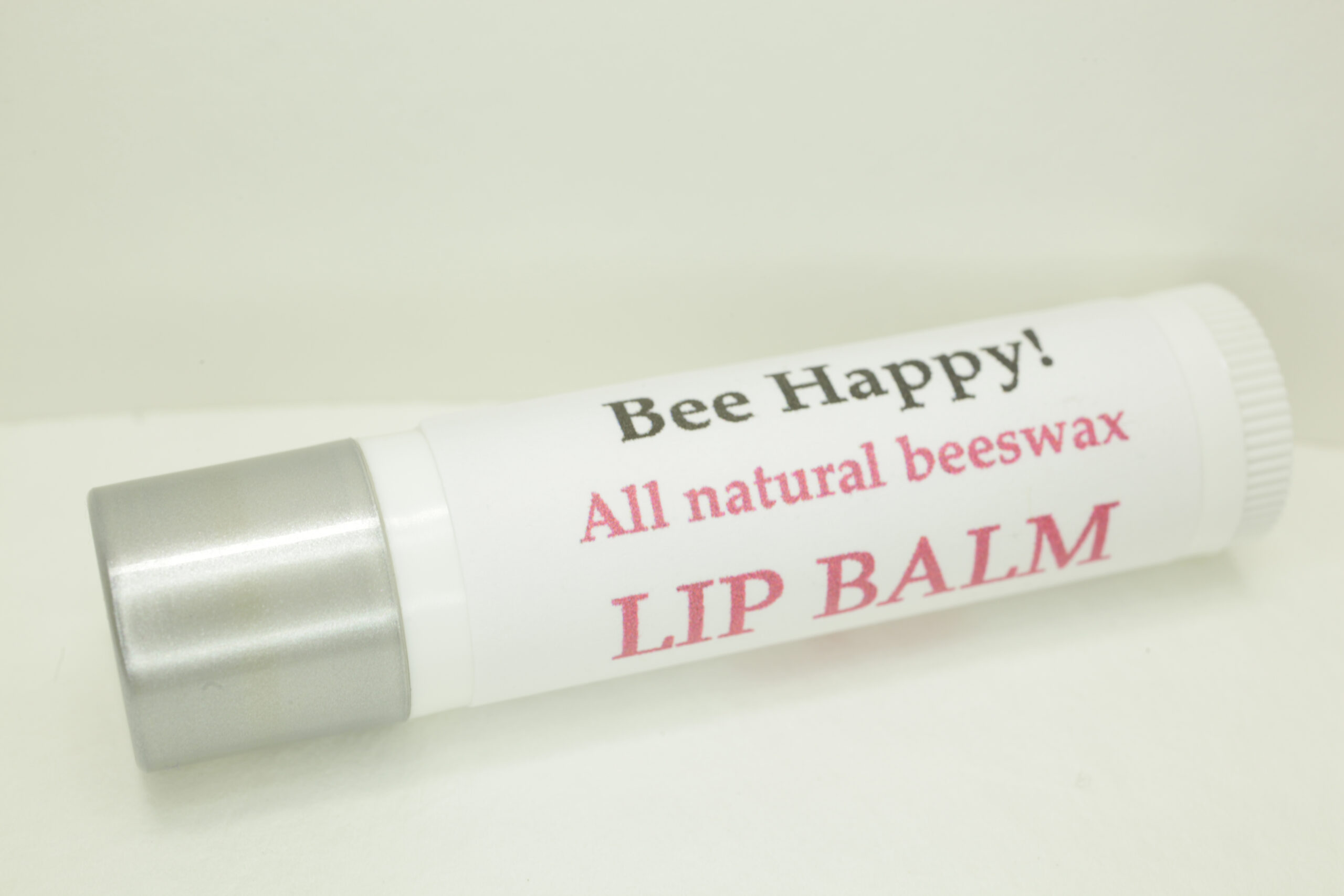
Along with fantastic goods from farms around the area, The Bee Happy Co. will have raw, unpasteurized honey, beeswax lip-balm, and other goodies from the hive.

Click the pic for details.  See you there!

Durham Farmers Market 2013

Durham Farmers Market 2013

EU aims to better protect bees from pesticides

Bravo!  Job well done by European beekeepers.

Although there may be a few causes that add up to what we call Colony Collapse Disorder, or CCD, there is no doubt that the class of pesticides known as neonicotinoids are by themselves devastating to honeybees.

Now if we could get the EPA to take a serious look at this cause, we might be on our way to strengthening the honey bee population in the US.

Click the pic for the full article:


Beekeepers protest next to a giant inflatable bee in front of the European Council and Commission in Brussels, Monday, April 29, 2013. EU Member States meet on Monday, to decide on a proposal by the European Commission to impose a 2-year moratorium on neonicotinoid pesticides, which many scientists agree are the driving force behind Europe's dramatic bee decline. (AP Photo/Yves Logghe)

Beekeepers protest next to a giant inflatable bee in front of the European Council and Commission in Brussels, Monday, April 29, 2013. EU Member States meet on Monday, to decide on a proposal by the European Commission to impose a 2-year moratorium on neonicotinoid pesticides, which many scientists agree are the driving force behind Europe’s dramatic bee decline. (AP Photo/Yves Logghe)

Bee Happy to bee presenting a pitch at GHIC 2013

GHIC 2013   Global Health and Innovation Conference

The Bee Happy Company is proud to be accepted to present our social enterprise pitch at this year’s conference.  We’ll let you know how it goes!

“The Global Health & Innovation Conference is the worlds leading and largest global health conference as well as the largest social entrepreneurship conference, with 2,200 professionals and students from all 50 states and more than 55 countries. This must-attend, thought-leading conference convenes leaders, changemakers, and participants from all sectors of global health, international development, and social entrepreneurship.”

Click here for their website.

The EPA visits almond pollination sites

Bee Industry Hosts U.S. EPA for Tour of Almond Pollination Sites

U.S. Environmental Protection Agency (EPA) Assistant Administrator, Jim Jones spent a day with beekeepers and almond growers to learn more about this year’s massive colony losses, and beekeepers’ concerns about the role of pesticides in the decline.

Click the pic for full article:

Over 800,000 acres of almonds are grown in California.

First Bee Happy Group Class/Party

It was a blustery day at our Bee Happy class last week.

But we did have a fire (and a couple other items) to keep us warm. A lot was learned and fun was had by all!

Next class will be the first peek into a newly installed hive!

Lighting the smoker – and keeping it lit – remains a skill of top importance to the beekeeper. One you will get good at, by choice or necessity!

Must be explaining something good.

Blustery!

Typical comb built on a top bar.

The only thing that must be exact on a top bar hive is the width of the bars.

One Step Back….

Mystery Malady Kills More Bees, Heightening Worry on Farms

After last year’s relatively good Spring count of over-wintered hives, I thought we may be getting out of the woods with this CCD issue.  Not so, as we find out about this past winter’s colony count: 40% – 50% losses.

Interestingly enough, all of my colonies that survived this winter are housed in top-bar hives.  Also, all the hives have solid bottoms, not mesh “varroa” bottoms.  This isn’t the case every year, but is worth noting.

The video attached to this article is 2-1/2 minutes and well worth your time.  Click the pic to read full article and to watch video.

The WXLM Morning Show with Shane and Jaki

Shane and Jaki invited The Bee Happy Company on their great morning show today.  Have a listen!

Click the pic!

“Free” beekeeping class this Saturday!

Well, it’s at that point of the year when the questions rain in daily by phone and e-mail about preparations for the Spring, beekeeping equipment, hive placement, where to get bees, etc.  It is always cool to see people excited about getting their own hives together!

A friend came up with the idea of a preparation class/party.  Good idea!  So this coming Saturday, March 16 from 2:00 – 4:00 (or so) you’re invited over to my place to ask all the questions you like. The fee for the class is to help clean and sterilize beekeeping equipment from last year.

*This is a very important part of beekeeping to learn, as sterilized equipment will ensure disease is not passed on to new or existing hives. 

All you need to bring is a hive tool, if you have one, and beer/wine/soda if you like.  I’ll have some goodies here, as well.

RSVP by e-mail to ned@happiary.com to let me know if you can make it.

See you Saturday!  Until then,  Bee Happy!

Scorching frames.


Honey Laundering is real – folks, just buy local

Nation’s Biggest Honey Packer Admits ‘Laundering’ Chinese Honey

Click the pic for full article:

A Chinese farmer tends to bees producing honey to supplement her income at a farm in China’s Anhui province.